Research
Research on agents, reinforcement learning, and large language models.
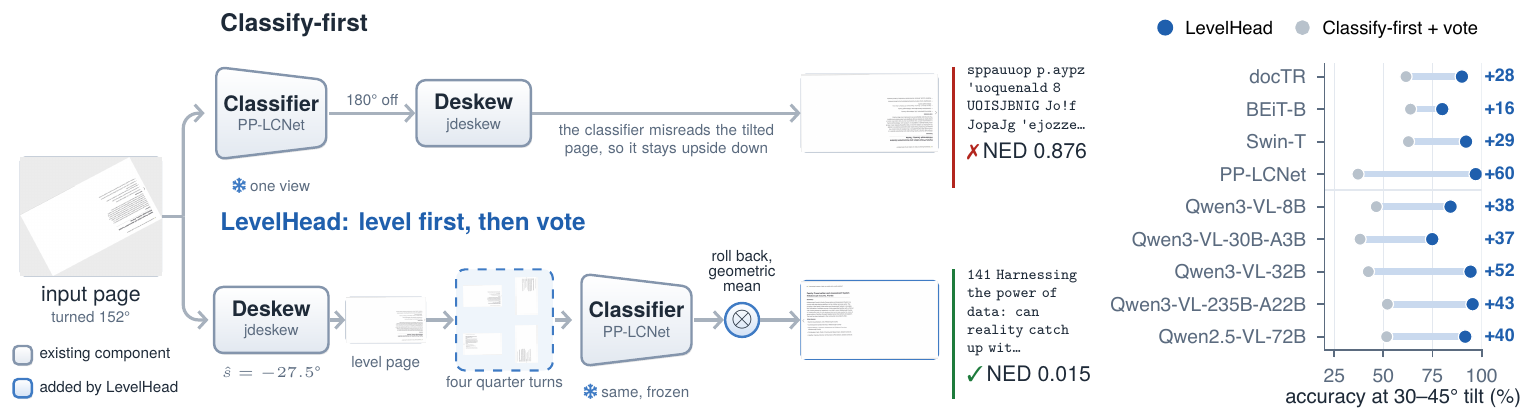
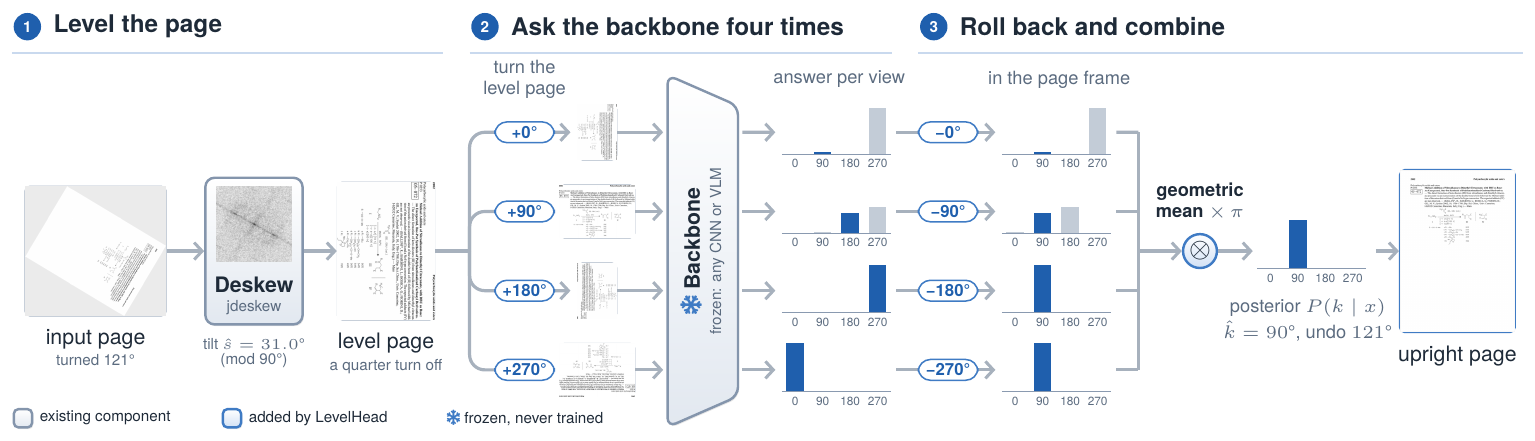
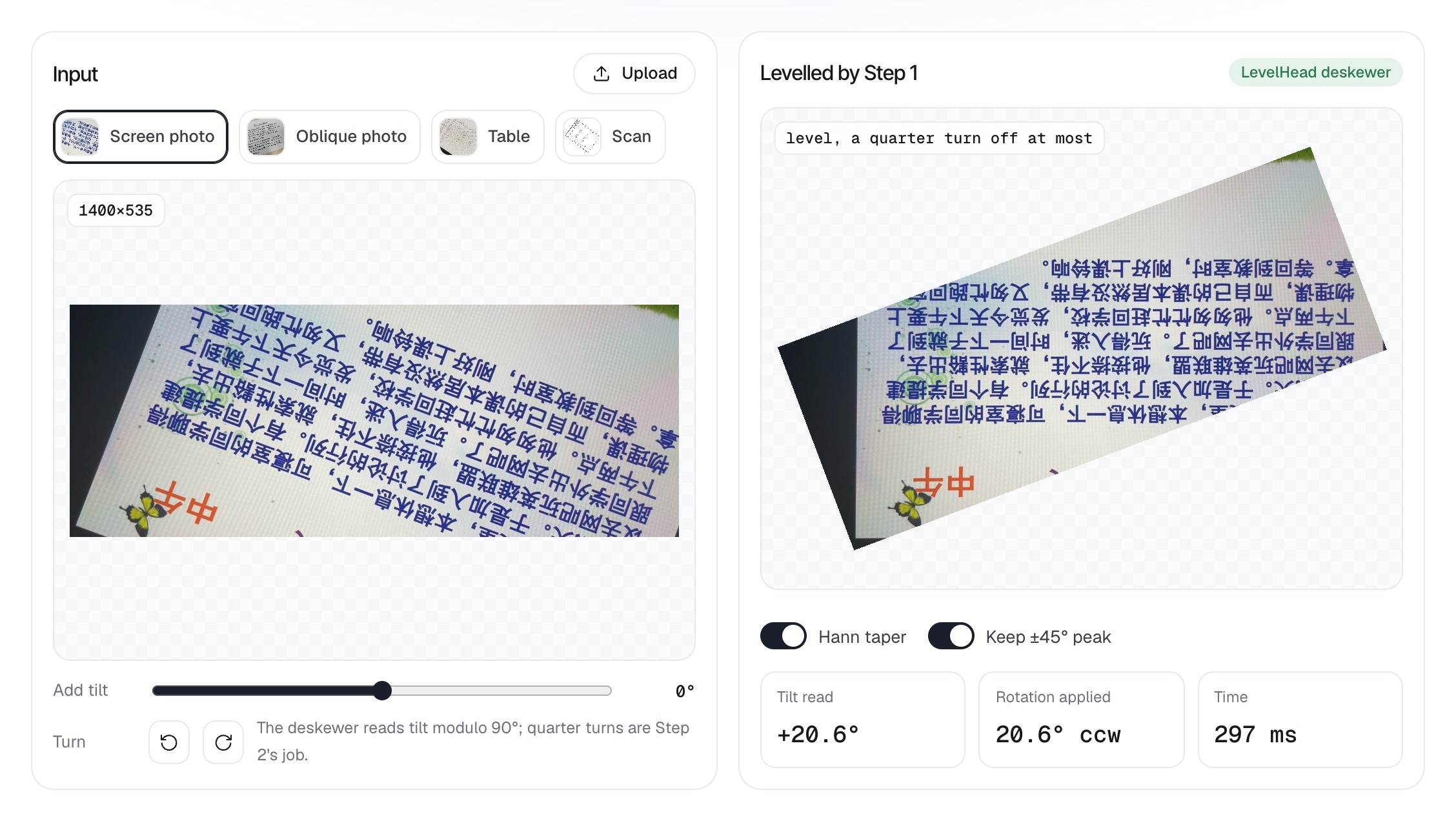
A training-free method for page deskewing and orientation classification. LevelHead levels the page with a spectral deskewer first, then lets any frozen classifier or VLM vote over the four quarter turns of the level page. On pages at any angle it lifts four Qwen3-VL models from 41.9% to 84.6% and four orientation classifiers from 71.9% to 85.2%.
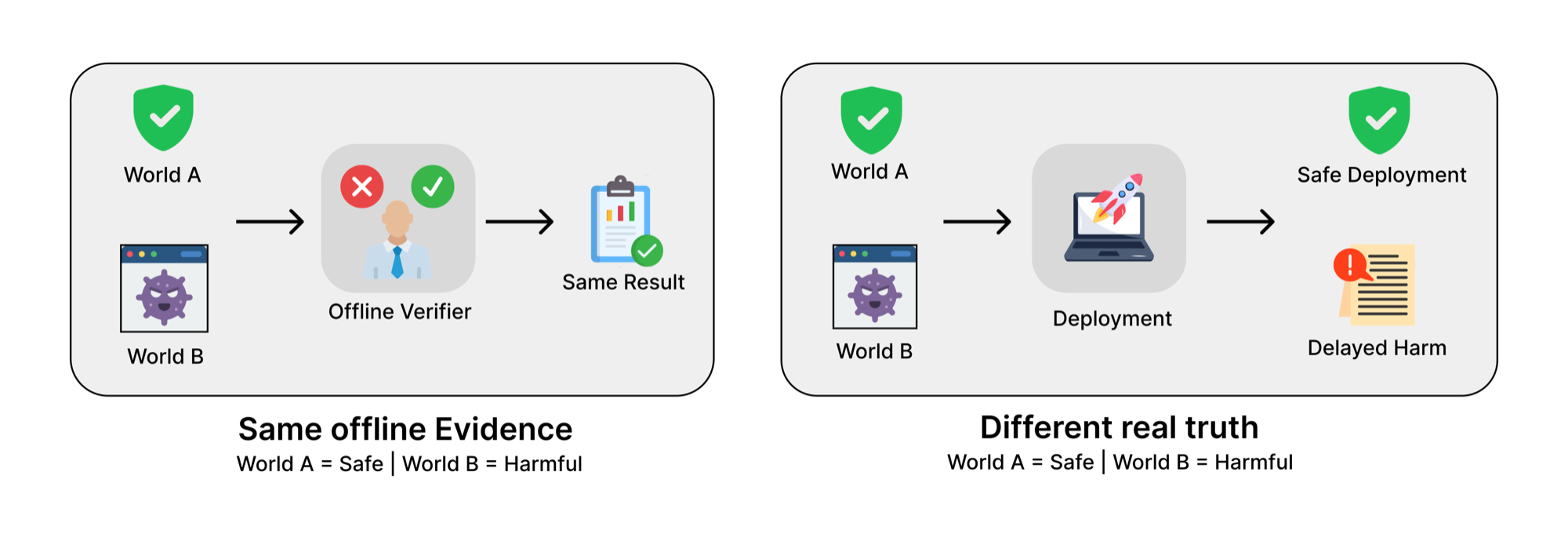
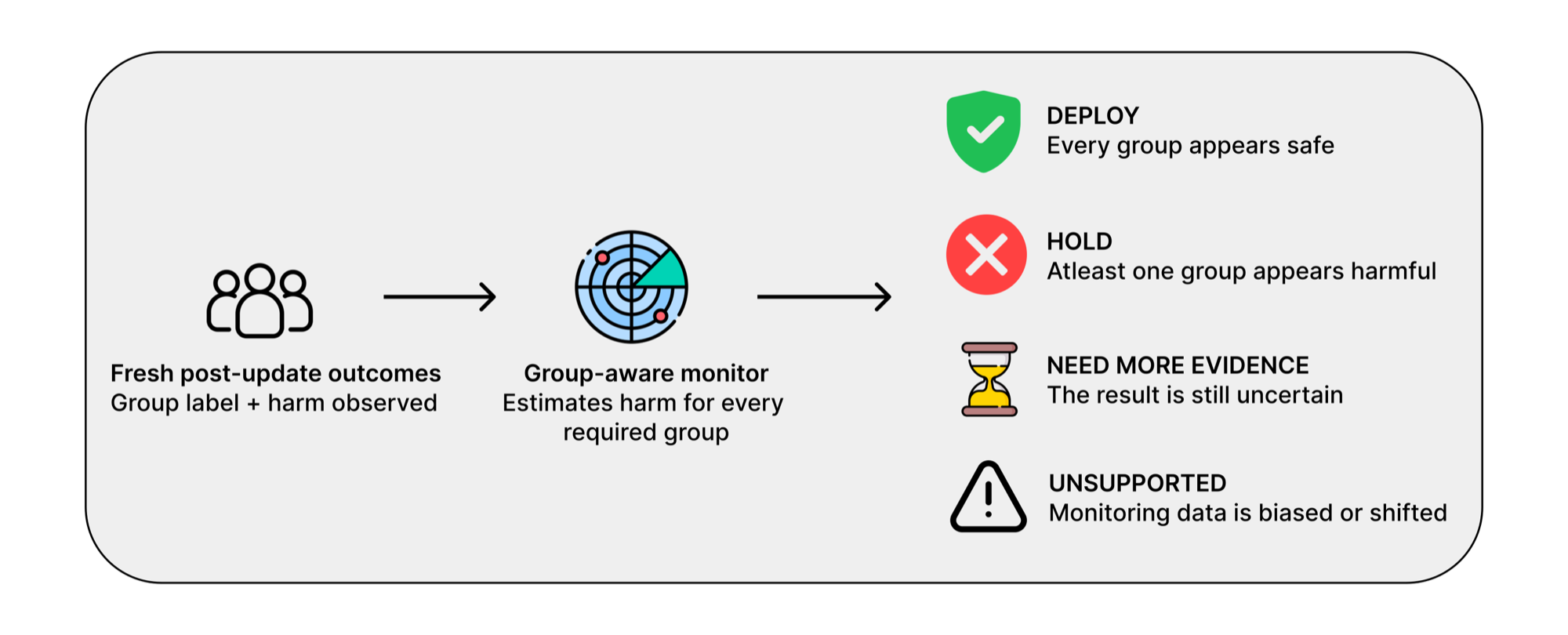
A matched-world benchmark for offline agent verification. A safe and a harmful deployment can leave byte-identical audit records while needing opposite decisions, so no offline verifier can tell them apart. Across authorization, scheduling, and shared-capacity environments, the paper shows when fresh post-update evidence restores the decision, and gives a fail-closed monitor that deploys, holds, asks for more evidence, or reports unsupported.
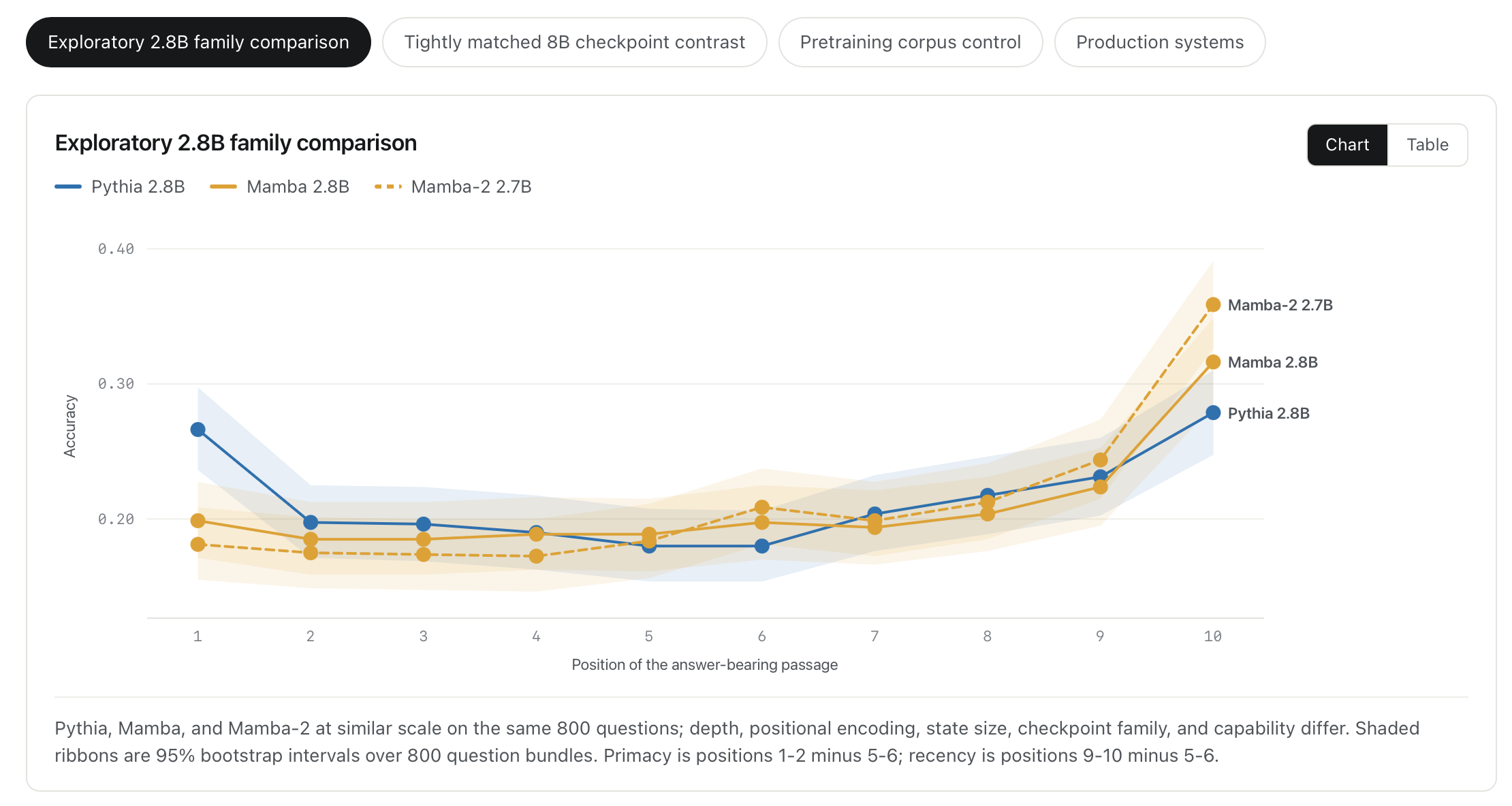
A paired study of position bias across Transformer, Mamba, and hybrid language models. One answer-bearing passage moves through ten positions of a fixed long context while everything else stays the same. Pythia favours the opening and the Mamba checkpoints do not; the paper reports this as a model-family difference, not an isolated architecture effect.
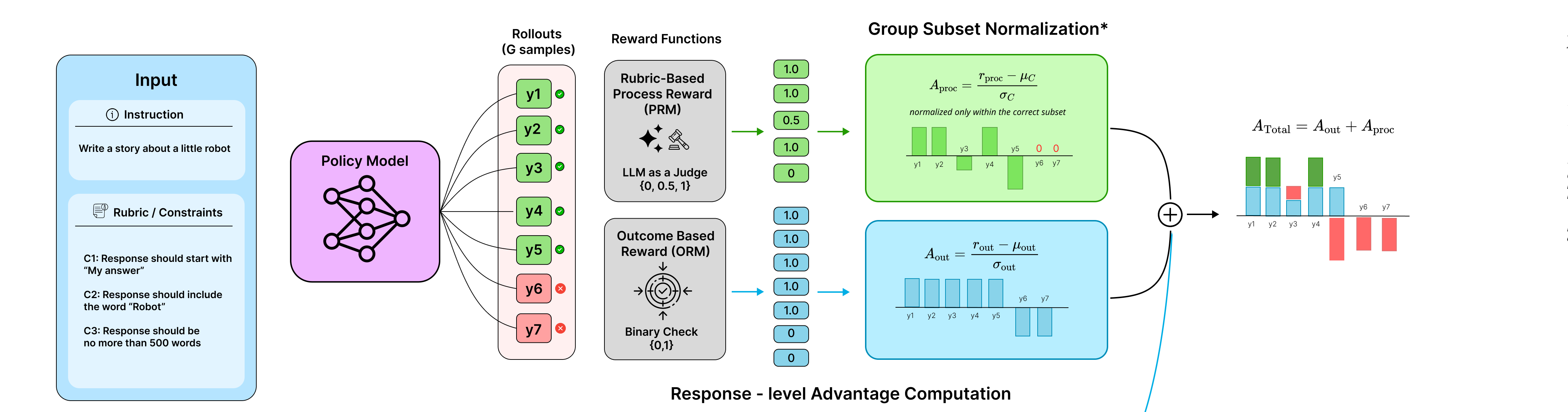
Rubric Decoupled Advantage Normalisation GRPO is a rubric-based reinforcement learning repository for aligning LLMs with complex, open-domain instruction-following tasks. It improves performance on public instruction-following benchmarks.
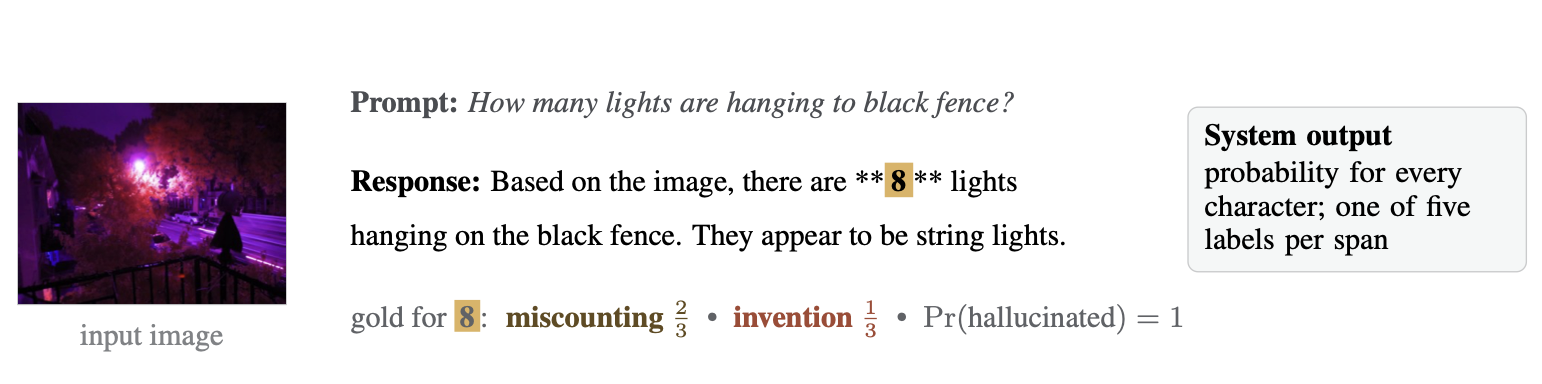
Detects and categorizes hallucinated character spans in vision-language responses across English, French, Italian, and Chinese. Combines multilingual detectors, a learned clean-document gate, visual category supervision, and scorer-aware output serialization.